How to Parry in KLASE
F is block and parry. Time it against heavy, slam, and stomp, then punish without eating the pile.
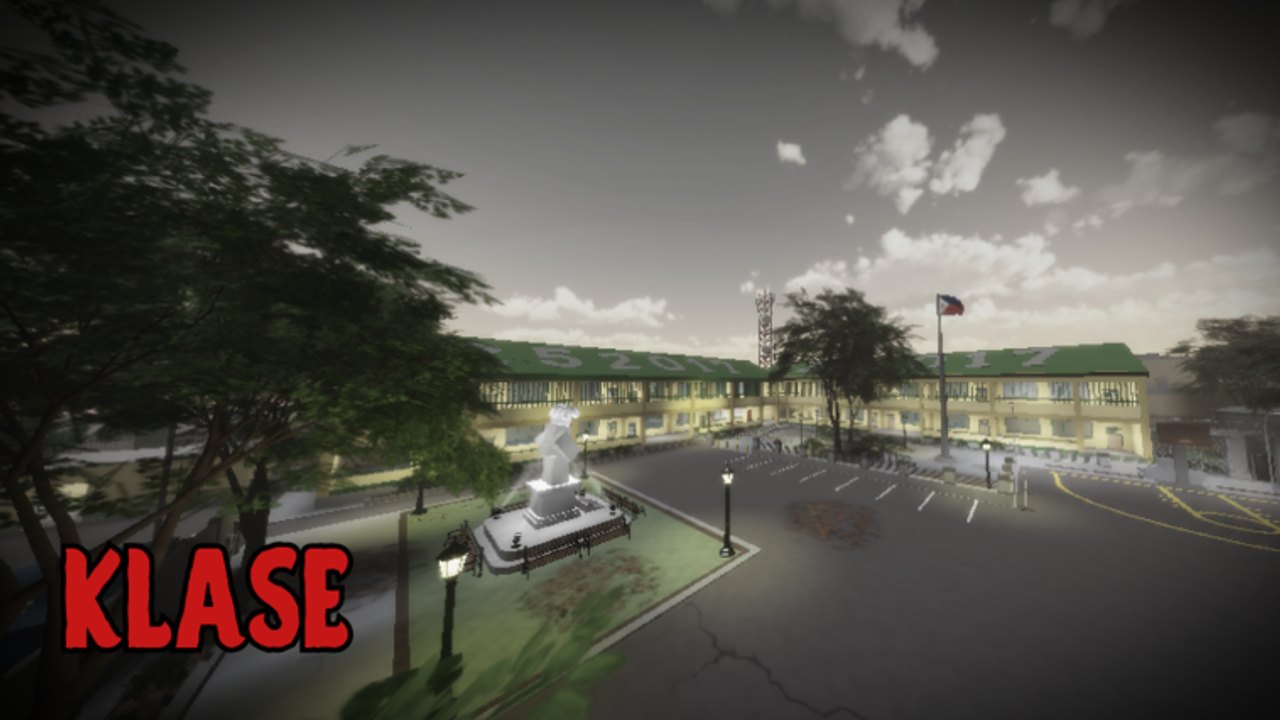
F is the most misunderstood key in KLASE. On the Roblox description it is Block / Parry. It is not stomp. Stomp is T. Players who came from Kalye Impyerno still tap F to finish someone on the floor and instead eat a heavy with their guard in the wrong animation. This page is only F: how to time it, what a successful parry buys you, how it feels against heavy, slam, and stomp, and the mistakes that make 50-player classrooms look unfair. Bind tables live on KLASE Controls. What to do with the rest of the kit lives on KLASE Combat. New players should still read Getting Started. The Guides Hub links the set.
The listing does not publish frame data. This wiki does not invent it. Treat parry as a timing skill you learn by watching animations on the courtyard, not as a number you memorize from a chart that does not exist.
What F actually does
Block / parry is one key with two outcomes players talk about. A late or held F is a block: you survive a committed hit you could not dash away from. A timed F, pressed as the attack is about to connect, is the parry people mean when they say someone is unbeatable on the lawn. Both matter. Block keeps you alive in a doorway. Parry creates the punish window that KLASE Combos wants to convert.
F is not a projectile reflector and not a super armor button. If three students slam you at once in a classroom aisle, F will not make you immortal. It will sometimes save the first hit so you can dash (Q) out. That is still a win.
Hold F when you cannot see the attack yet and you are already in range — for example, a desk row you just peeked. Tap F when you can see the swing start. Holding forever is how you get grabbed by a stomp on a crouched guard or walked around on the courtyard.
Timing
Stand on the edge of the courtyard with one opponent, not in the flag pile. Watch their shoulders. Heavy (R) is the easiest read because the swing is long. Press F as the hit is arriving, not when they begin to run at you. Pressing early is a block at best and a whiff at worst. Pressing late is just getting hit.
Slam (G) is a downward commit. The tell is the crouch-into-drop, not a long horizontal swing. If you parry as if it were a heavy, you will often be early. Wait for the descent. If you are already under a slam in a desk aisle, you may only have a block. Take the block and Q out rather than fishing for a heroic parry that loses the stock.
Stomp (T) is a follow. If you are standing, a stomp is often a miss you can walk away from. If you are crouched (Ctrl) or already on the floor, F is your way out of a conversion. Do not crouch-parry in the open lawn as a default stance. You will train people to stomp you on purpose.
Glory (E) is a finisher. If someone is already pressing E on you, the fight was lost a button earlier. F might still save a greedy Glory if you are standing and they pressed it too early. Do not plan your life around parrying finishers. Plan your life around not being the body they finish.
Dash (Q) is the other answer to the same problem. Parry when you must stay. Dash when you can leave. Classroom doorways often force parry. Courtyard edges often allow dash. KLASE Combat is the page that picks the space; this page picks the F timing once you have chosen to stay.
Punish windows
A successful parry is not the kill. It is permission to throw one committed button.
On the courtyard, the usual punish is dash-adjust if you need range, then heavy (R). That is the cleanest standing punish. If the other player is already off-balance toward the ground, slam (G) or stomp (T) can be the better conversion. Then stop. Look at the statue. If a third uniform is in frame, dash out. Glory is only for a single body with no one else arriving. How to Win is blunt about overcommitting E after a good parry.
In a classroom, the punish is shorter because walls exist. A parry against the whiteboard can become slam or stomp immediately — they have nowhere to dash. A parry in the center aisle is more dangerous: your own slam can hang you for the next student who walks in. Convert small, then take the door.
If the parry was really just a block, you may not have a full heavy. Take dash out. A blocked hit that you survive is still a successful F. Greedy players die by treating every F as a launch into a four-button route this game does not document.
Versus heavy, slam, and stomp
Versus heavy: Best parry practice in the game. Long swing, readable on the lawn. Stand your ground on the perimeter, tap F on arrival, punish with heavy or dash-heavy. Do not hold F from the moment they press Q. You will be early.
Versus slam: Wait for the drop. In desks, prefer block-and-leave if you cannot see the animation. A missed slam is also a free heavy without a parry — if they whiff G in the open, you can skip F and just punish. Parry is for slams that would have hit you, not for slams you could have walked around.
Versus stomp: Do not be on the floor. If you already used Ctrl in a bad spot, tap F as the stomp comes down, then stand and dash. If you are standing and they stomp anyway, you can often skip F and heavy their recovery. Stomp-parry is a recovery tool, not a style.
Versus dash-in: F does not beat movement by itself. People dash, then throw a button. Parry the button, not the dash. If you press F on the Q, you will be standing in a block when the heavy finally arrives, or you will drop guard and eat it. Watch the second input.
Common mistakes
Mashing F like a panic crouch. F has a point. Panic mashing turns a parry into a late block or a dropped guard. Pick a single swing and press once.
Parrying the pile. In a 50-player classroom, three animations can overlap. F is not a shield super. Dash to the door. Save parry for the 1v1 you chose.
Holding F through a stomp while crouched. You taught them the conversion. Stand, dash, or pick a better desk.
Parrying, then immediately Glory. E is a closer. After a parry you still need a committed hit unless they were already finished. Skipping to Glory is how a blocked opponent walks out and stomps you.
Using F as your only plan. Defensive players who never dash get walked around on the courtyard. Mix parry with Q. Read Defensive and Aggressive so you recognize when someone is baiting F on purpose. How to Win covers parry bait from the other side of the screen.
Forgetting the Kalye remap. If F still feels like stomp in your hands, stop playing piles until you have pressed F ten times on an empty lawn and confirmed the guard. The control sheet exists for that week of unlearning.
Group fights and cameras
Parry shines in 1v1s and dies in tunnels. Before you press F, spin the camera toward the statue, the flag, or the classroom door. If a second body is already in the aisle, your parry punish will be stolen. Block the hit in front of you if you must, then Q toward a wall you already picked as a reset.
Do not parry with your back to the whiteboard. A success still leaves you with nowhere to dash. Slide along desks so a good F can become a slam toward the door, not a Glory into the wall.
After a session of only F practice, open KLASE Combos so the punish is a real route, and KLASE Combat so you stop parrying fights you should have left. The fight checklist has a line for camera before commit; use it. Move roles sit on the moves tier list and Playstyles. Builds is how people stack those habits, not an extra parry key.
F gets better only when you pick easier reads. Heavy on the courtyard edge is the drill. Slam in a packed aisle is the exam. If you cannot yet tap F on a single lawn heavy, do not spend a night trying to parry three overlapping classroom animations. Ten clean 1v1 parries teach more than fifty panicked holds in the flag circle, and they leave you with a punish you can actually convert instead of a dropped guard and a stomp.
Frequently Asked Questions
Quick answers for KLASE combat, codes, and campus fights.
How do I parry in KLASE?
Press F as the attack is about to connect, not when they start dashing. Late F is a block. Timed F is a parry. Both use the same key.
Should I parry heavy, slam, and stomp the same way?
No. Heavy is the long readable swing. Slam is a drop you parry late. Stomp is a follow you avoid by not staying crouched in the open.
What should I do after a successful parry?
Throw one committed punish — usually heavy on the lawn, slam or stomp in desks — then check the camera. Glory only if the fight is already over and nobody else is in frame.
Why does F feel like the wrong key?
Kalye Impyerno used F for stomp. In KLASE, F is block/parry and T is stomp. Practice guard on an empty courtyard until the remap sticks.
Can I parry a whole 50-player pile?
No. F is for the swing in front of you. In a packed classroom, block if you must, then dash to a door. Save parry for 1v1s you chose.